Meta Description:
Why is “2026 is the new 2016” trending? Discover why social media users are bringing back 2016 music, fashion, and internet culture. https://trendyviralhub.com/
Introduction
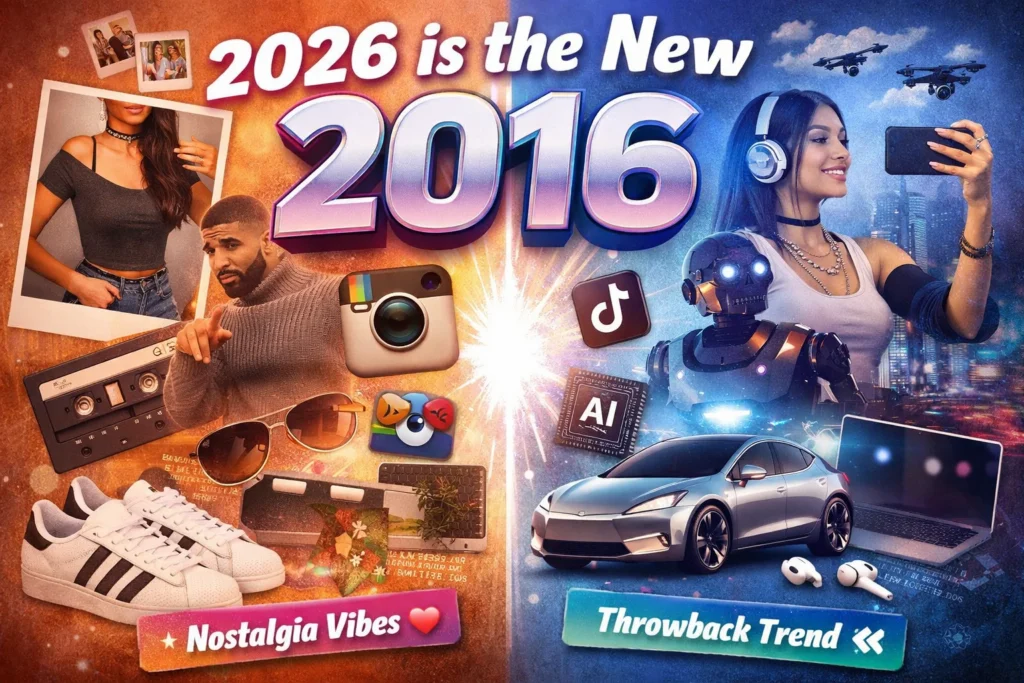
If you have opened TikTok or Instagram recently, you have probably seen the phrase:
“2026 is the new 2016.”
At first, it may sound confusing. However, this trend is everywhere. Millions of users are posting throwback edits, old music clips, and recreated 2016 outfits. As a result, the internet feels like it has travelled back in time.
So, why is 2016 trending again?
Let’s break it down step by step.
First, Nostalgia Is Powerful
To begin with, nostalgia always returns in cycles. Every few years, people start missing the past. This is especially true during stressful times.
In 2026, many users feel:
- Digital burnout
- Economic pressure
- Social media overload
- Too much AI-generated content
Because of this, people want something simple. They want something real.
For many Gen Z users, 2016 represents a happier online era. Back then, content felt natural. In addition, social media was less commercial. Therefore, many users remember it as a “better time”.
Meanwhile, TikTok Is Fueling the Trend
Without a doubt, TikTok is the main reason this trend exploded.
For example, creators are posting:
- 2016 song remixes
- Old Vine videos
- “POV: It’s summer 2016” edits
- Instagram-style blurry photos
- 2016 fashion transformations
As a result, these videos are getting millions of views. People replay them. They share them. They tag their friends.
In other words, nostalgia keeps viewers watching longer. Consequently, the algorithm pushes this content even more.
Why 2016 and Not Another Year?
You might wonder why 2016 is so special.
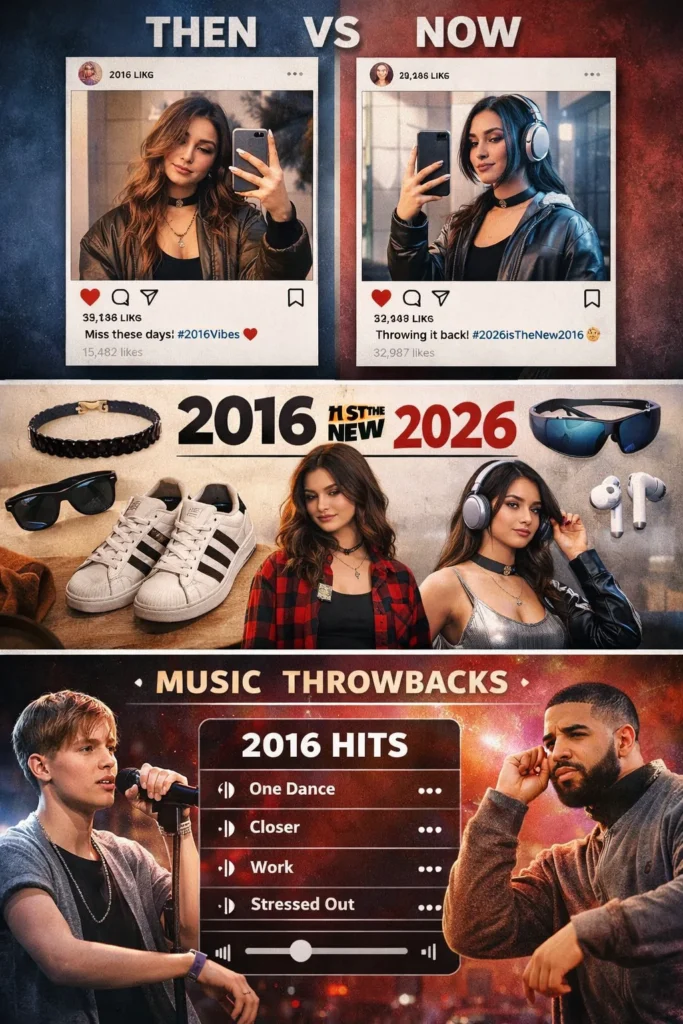
First of all, 2016 was a peak year for internet culture. Vine was at its best. Memes were simple but funny. Influencers felt relatable.
Secondly, the music was iconic. Songs like:
- “One Dance”
- “Work”
- “Closer”
- “Panda”
are still popular today. Therefore, they are perfect for remixes and edits.
Finally, fashion trends from 2016 are returning. For instance, chokers and bomber jackets are popular again. Similarly, oversized flannels and matte makeup are trending.
Because fashion repeats every 8 to 10 years, this comeback makes sense.
In Addition, There Is a psychological reason.
Nostalgia is not just random. In fact, it is often emotional protection.
When people feel uncertain about the future, they look back at positive memories. As a result, the past feels safer.
Furthermore, 2016 feels like:
- A pre-pandemic world
- A less divided internet
- A simpler digital space
Even if that memory is not perfect, it feels comforting. Ultimately, emotions drive engagement online.
At the Same Time, Brands Are Joining In
Now brands are using this trend for marketing.
For example, some companies are:
- Reposting old advertisements
- Using retro filters
- Bringing back discontinued products
- Creating 2016-themed campaigns
Because nostalgia creates emotional connection, brands see higher engagement. Therefore, more companies are adopting this strategy.
Final Thoughts
In conclusion, “2026 is the new 2016” is more than just a meme.
Instead, it reflects:
- Digital exhaustion
- Emotional nostalgia
- A desire for simpler times
For now, this trend continues to grow. However, like all internet trends, it may eventually fade.
Nevertheless, one thing is clear:
The internet loves to revisit the past.
And right now, 2016 feels like home again.
Leave a Reply